

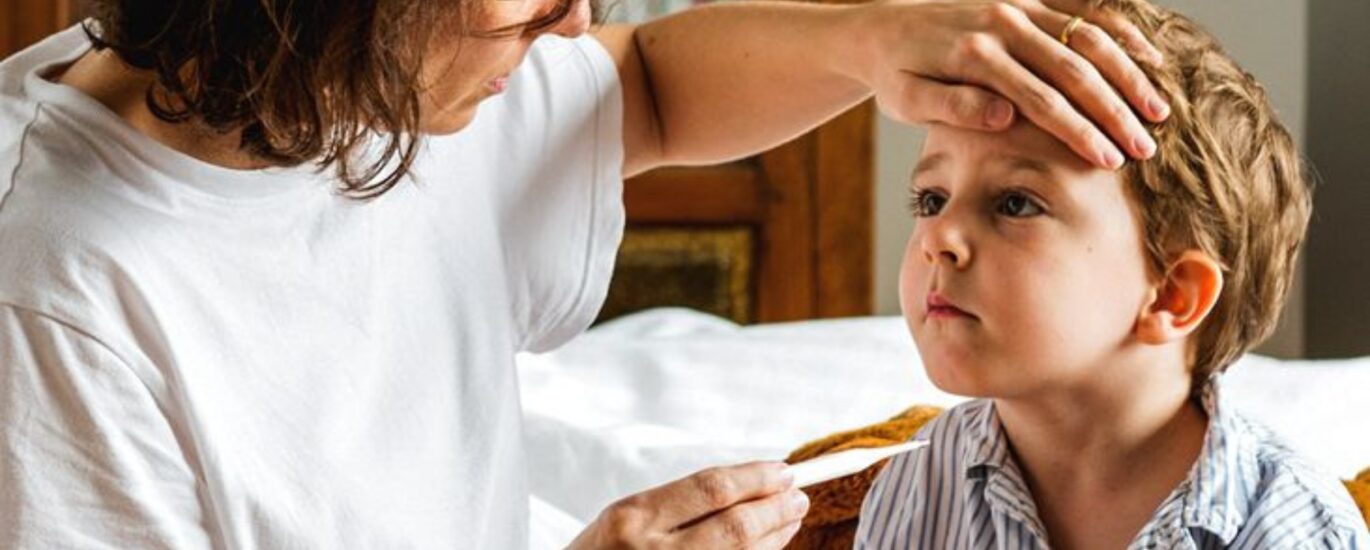
Few things worry parents more than seeing their child develop a fever. A rise in body temperature often signals that the body is responding to an infection or another health concern. While fever itself is not a disease, it is an important symptom that should never be ignored.
Effective Pediatric fever treatment focuses on identifying the underlying cause of the fever rather than simply reducing the temperature. Children may develop fever due to viral infections, bacterial illnesses, seasonal flu, vaccination responses, or other medical conditions. Understanding the cause helps ensure the right treatment and supports a quicker recovery.
For parents, knowing when to seek professional medical advice can make a significant difference in their child’s health and comfort.
Key Takeaways
- Fever in children can occur due to various causes, including viral infections, bacterial infections, seasonal illnesses, and vaccinations.
- While many fevers are mild and temporary, some may indicate an underlying condition that requires medical attention.
- Early evaluation by a qualified pediatrician helps identify the cause of fever and ensures appropriate treatment.
- Dr. Kuldip Shimpi provides comprehensive pediatric care, focusing on accurate diagnosis and child-friendly treatment approaches.
- Parents should seek medical advice if a child has persistent fever, recurrent fever, difficulty breathing, dehydration, unusual drowsiness, or poor feeding.
- Timely treatment can help prevent complications and support faster recovery in children.
- Proper fever management includes monitoring temperature, maintaining hydration, ensuring adequate rest, and following medical recommendations.
- Dr. Kuldip Shimpi offers guidance on managing common childhood illnesses, infections, and fever-related concerns.
- Regular pediatric consultations help monitor a child’s overall health and development while addressing parental concerns.
- Consulting an experienced child specialist in Pune ensures personalized care and peace of mind for parents during their child’s illness.
Table of Contents
1. Why Fever Is Common in Children?
Children are naturally exposed to new germs and infections as they grow. Since their immune systems are still developing, they may experience fever more frequently than adults.
Common reasons for fever include:
- Viral infections
- Bacterial infections
- Ear infections
- Throat infections
- Seasonal flu
- Stomach infections
- Vaccination-related immune responses
In many cases, fever is a sign that the immune system is actively fighting an infection. However, persistent or recurring fever should always be evaluated by a healthcare professional.
2. Signs That Your Child's Fever Needs Medical Attention
Not every fever requires immediate medical treatment, but certain symptoms should prompt parents to consult a pediatrician without delay.
Watch for:
- Persistent Fever
A fever that continues for several days may indicate an underlying condition that requires medical evaluation.
- Difficulty Breathing
Breathing problems along with fever should always be treated as a priority.
- Poor Feeding or Appetite
Infants and young children who refuse food or fluids may be at risk of dehydration.
- Unusual Sleepiness
Excessive drowsiness, confusion, or reduced responsiveness should never be ignored.
- Recurrent Fever
Frequent episodes of fever may require further investigation to identify the root cause.
Seeking timely Child fever treatment in Pune can help prevent complications and provide reassurance to parents.
3. The Importance of Early Pediatric Evaluation
One of the biggest mistakes parents make is waiting too long before consulting a doctor.
Early pediatric assessment can help:
- Identify the exact cause of fever
- Prevent worsening of symptoms
- Reduce the risk of complications
- Provide faster relief
- Guide parents on home care measures
Children often cannot clearly explain how they feel. A pediatrician can evaluate symptoms comprehensively and recommend appropriate treatment.
4. Common Causes of Fever in Children
Fever can result from a wide range of health conditions.
- Viral Infections
Viruses are among the most common causes of fever in children and often resolve with supportive care.
- Bacterial Infections
Some bacterial illnesses may require antibiotics and close medical supervision.
- Seasonal Illnesses
Weather changes can contribute to viral infections that commonly cause fever.
- Vaccination Responses
Mild fever after vaccination is generally temporary and indicates that the immune system is responding appropriately.
- Inflammatory Conditions
Certain medical conditions may also trigger fever and require specialized evaluation.
Understanding the cause is an important step in effective Pediatric fever treatment.
5. How Pediatric Fever Treatment Helps Children Recover?
Professional treatment goes beyond simply lowering body temperature.
Effective care may include:
- Comprehensive physical examination
- Medical history assessment
- Diagnostic testing when required
- Personalized treatment recommendations
- Hydration and nutrition guidance
- Follow-up care
The goal is to ensure that the child recovers safely while minimizing discomfort and reducing the risk of complications.
6. Why Parents Trust Dr. Kuldip Shimpi for Child Fever Treatment in Pune?
When a child is unwell, parents need a doctor who understands both the medical and emotional aspects of pediatric care.
Dr. Kuldip Shimpi is known for providing compassionate, child-friendly healthcare focused on accurate diagnosis and individualized treatment.
Parents often seek his expertise because of his approach to:
- Detailed child health assessments
- Fever evaluation and management
- Childhood infection care
- Preventive pediatric healthcare
- Parent education and guidance
His focus on clear communication helps parents understand their child’s condition and treatment plan with confidence.
For families looking for reliable Child fever treatment in Pune, timely consultation can help ensure proper care and peace of mind.
7. Essential Tips for Managing Fever at Home
While waiting for medical advice or during recovery, parents can take simple steps to help their child feel comfortable.
- Encourage Fluids
Adequate hydration is important during fever.
- Allow Rest
The body needs energy to recover from illness.
- Monitor Temperature
Keep track of fever patterns and note any changes.
- Follow Medical Advice
Avoid giving medications without consulting a healthcare professional.
- Watch for Warning Signs
Seek medical help if symptoms worsen or new concerns arise.
Home care should always complement professional medical guidance rather than replace it.
8. The Role of Regular Child Medical Care in Pune
Preventive healthcare plays an important role in children’s overall well-being.
Routine pediatric visits help:
- Monitor growth and development
- Address health concerns early
- Track vaccinations
- Improve disease prevention
- Provide parental guidance
Consistent Child medical care in Pune supports healthier childhood development and helps identify health issues before they become serious.
9. When Should You Visit a Pediatrician Immediately?
Immediate medical attention is recommended if a child experiences:
- High fever in infants
- Difficulty breathing
- Seizures
- Severe dehydration
- Persistent vomiting
- Extreme lethargy
- Fever with rash
Prompt evaluation helps ensure timely treatment and reduces the risk of complications.
10. Final Thoughts
Fever is one of the most common reasons parents seek medical care for their children but understanding when to seek professional help is essential. Effective Pediatric fever treatment involves identifying the cause of the fever, managing symptoms appropriately, and ensuring the child receives the care needed for a safe recovery.
If your child is experiencing persistent, recurring, or concerning fever symptoms, don’t delay seeking medical advice. Early intervention can make a significant difference in recovery and overall health outcomes.
For trusted Child fever treatment in Pune and comprehensive Child medical care in Pune, schedule a consultation with Dr. Kuldip Shimpi at Medisure Health Clinics. With a child-focused approach and personalized care, Dr. Shimpi helps parents navigate childhood illnesses with confidence and ensures children receive the medical attention they deserve.
FAQs
(Frequently Asked Questions)
What temperature is considered a fever in children?
A body temperature of 100.4°F (38°C) or higher is generally considered a fever.
When should I take my child to a pediatrician for fever?
You should seek medical advice if the fever persists, recurs frequently, or is accompanied by symptoms such as breathing difficulties, dehydration, or unusual drowsiness.
Can vaccination cause fever in children?
Yes. Mild fever after vaccination is common and usually resolves within a short period.
How can I keep my child comfortable during a fever?
Encourage fluids, allow adequate rest, monitor temperature, and follow your pediatrician’s recommendations.
Why is early Pediatric fever treatment important?
Early treatment helps identify the cause, prevent complications, and support faster recovery.