
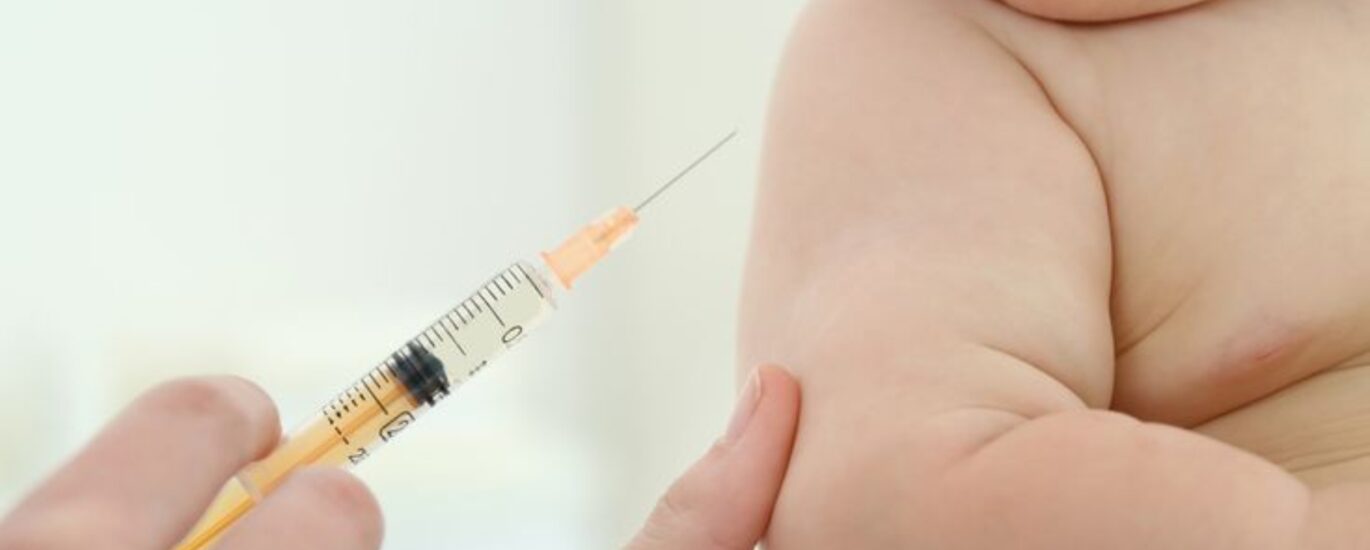
As parents, protecting your child’s health is always a top priority. One of the most effective ways to safeguard children against serious illnesses is through Vaccination for children. Vaccines have played a vital role in reducing the spread of infectious diseases and have helped millions of children live healthier lives.
Despite their proven benefits, many parents still have questions regarding vaccine safety, possible side effects, and the importance of following vaccination schedules. Understanding how vaccines work and how their safety is monitored can help parents make informed healthcare decisions for their children.
Key Takeaways
- Childhood vaccines undergo rigorous testing and monitoring to ensure they are safe and effective before being approved for use.
- Vaccines help protect children from serious and potentially life-threatening diseases such as measles, polio, hepatitis, and whooping cough.
- Most vaccine side effects are mild and temporary, including slight fever, redness, swelling, or soreness at the injection site.
- Serious reactions to vaccines are extremely rare, and healthcare providers are trained to manage them if they occur.
- Vaccinating children not only protects them but also helps prevent the spread of infectious diseases within the community.
- Following the recommended vaccination schedule ensures children receive protection at the right age and stage of development.
- Delaying or skipping vaccinations may increase a child’s risk of contracting preventable diseases.
- Parents should discuss any concerns about vaccines with a qualified pediatrician to receive accurate and evidence-based information.
- Vaccine safety is continuously monitored by health authorities to maintain high standards of public health protection.
- Keeping your child’s vaccinations up to date is one of the most effective ways to support their long-term health and well-being.
Table of Contents
1. Why Vaccines Are Important for Children's Health?
Children are more vulnerable to infections because their immune systems are still developing. Vaccines help prepare the body’s natural defences by teaching the immune system how to recognize and fight specific diseases.
Through childhood vaccination, children receive protection against potentially serious illnesses such as:
- Measles
- Polio
- Hepatitis B
- Diphtheria
- Whooping cough (Pertussis)
- Tetanus
- Mumps
- Rubella
Without vaccination, these diseases can lead to severe complications, hospitalization, and in some cases, life-threatening conditions.
2. How Childhood Vaccines Are Tested for Safety?
One of the most common concerns among parents is whether vaccines are safe.
Before any vaccine becomes available for public use, it undergoes multiple stages of scientific research and clinical testing. Health authorities carefully evaluate vaccines to ensure they meet strict safety and effectiveness standards.
The vaccine approval process generally includes:
- Laboratory Research
Scientists first study the vaccine in controlled environments to evaluate its potential effectiveness.
- Clinical Trials
Vaccines are tested through several phases involving volunteers to assess safety, dosage, and effectiveness.
- Regulatory Review
National and international health organizations review scientific data before approving vaccines for public use.
- Ongoing Monitoring
Even after approval, vaccine safety continues to be monitored to identify and investigate any rare adverse events.
This extensive process helps ensure that Vaccination for children remains one of the safest preventive healthcare measures available.
3. Diseases Prevented Through Vaccination
Vaccines protect children from diseases that once caused widespread illness and death.
Some vaccine-preventable diseases include:
- Measles
Measles can cause severe fever, rash, pneumonia, and complications affecting the brain.
- Polio
Polio may lead to paralysis and permanent disability.
- Hepatitis B
This infection affects the liver and can result in long-term health complications.
- Whooping Cough
Whooping cough can cause serious breathing difficulties, especially in infants.
- Diphtheria
Diphtheria may affect breathing and damage vital organs if left untreated.
By ensuring timely Vaccination for children, parents help protect both their child and the wider community.
4. Common Side Effects of Childhood Vaccines
Most children experience little or no discomfort after vaccination.
Some mild and temporary side effects may include:
- Slight fever
- Redness at the injection site
- Mild swelling
- Temporary soreness
- Irritability
- Fatigue
These reactions are generally short-lived and indicate that the immune system is responding to the vaccine.
Parents should remember that mild side effects are far less serious than the diseases vaccines help prevent.
5. Are Serious Vaccine Reactions Common?
Serious vaccine reactions are extremely uncommon.
Healthcare professionals are trained to identify and manage rare allergic reactions or unexpected responses if they occur.
The risk of severe complications from vaccine-preventable diseases is significantly higher than the risk of serious vaccine-related side effects.
Health authorities continuously monitor vaccine safety to ensure that benefits continue to outweigh any potential risks.
6. Why Following the Vaccination Schedule Matters?
The recommended child vaccination schedule is designed to provide protection when children are most vulnerable to infections.
Following the schedule helps:
- Build immunity at the appropriate age
- Prevent disease outbreaks
- Reduce infection risks
- Protect children during key stages of development
Delaying or missing vaccines may leave children unprotected against serious illnesses for longer periods.
Parents who are unsure about their child’s vaccination status should consult a pediatrician for guidance.
7. Common Myths About Vaccination for Children
Misinformation about vaccines can sometimes create confusion among parents.
Myth: Vaccines Cause the Disease They Prevent
Vaccines contain weakened or inactive components that cannot cause the disease itself.
Myth: Natural Immunity Is Better
While natural infection may create immunity, it can also lead to severe complications. Vaccines provide protection without exposing children to unnecessary risks.
Myth: Too Many Vaccines Overload the Immune System
Children encounter thousands of germs daily. Vaccines represent only a small challenge compared to what the immune system naturally handles.
Understanding the facts helps parents make informed decisions about Vaccination for children.
8. How Parents Can Prepare Their Child for Vaccination?
A positive vaccination experience can help reduce anxiety for both children and parents.
Helpful tips include:
- Explain the process in simple terms
- Stay calm and reassuring
- Ensure your child is well-rested
- Follow post-vaccination care instructions
- Monitor for mild side effects
Parents should always share their child’s medical history with the healthcare provider before vaccination.
9. When to Speak with a Pediatrician?
Parents should consult a pediatrician if they have concerns regarding:
- Missed vaccinations
- Vaccine schedules
- Medical conditions affecting vaccination
- Previous allergic reactions
- Post-vaccination symptoms
Professional medical advice helps ensure children receive appropriate protection based on their individual health needs.
10. Final Thoughts
Vaccines remain one of the most effective tools for protecting children from serious infectious diseases. Extensive testing, continuous monitoring, and decades of scientific research support the safety and effectiveness of Vaccination for children.
Keeping vaccinations up to date not only protects your child but also contributes to healthier communities by reducing the spread of preventable illnesses.
If you have questions about your child’s vaccination schedule or are looking for trusted pediatric care, consult the experienced child healthcare team at Medisure Health Clinics, Pune. Pediatric specialists including Dr. Kuldip Shimpi can guide parents on recommended vaccinations, child health monitoring, and preventive care to help ensure your child grows up healthy and protected. Schedule an appointment today for expert pediatric healthcare support.
FAQs
(Frequently Asked Questions)
Are childhood vaccines safe?
Yes. Childhood vaccines undergo extensive testing and continuous safety monitoring before and after approval.
What are the common side effects of vaccines?
Mild fever, redness, swelling, soreness, and temporary irritability are common and usually resolve quickly.
Why is vaccination important for children?
Vaccination helps protect children from serious and potentially life-threatening diseases.
Can vaccines cause autism?
No. Scientific research has found no evidence linking vaccines to autism.
What should I do if my child misses a vaccine?
Consult your pediatrician to create a catch-up vaccination plan and ensure your child receives appropriate protection.