

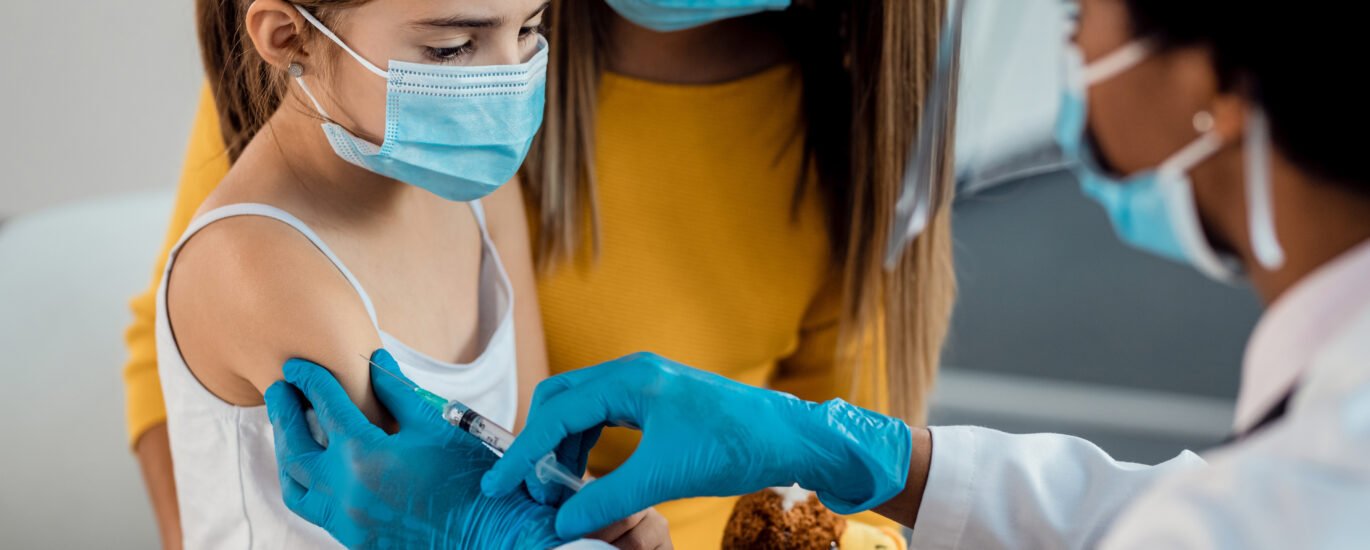
As parents, one of the greatest responsibilities is protecting your child from serious illnesses. While good nutrition, hygiene, and regular health checkups all contribute to a child’s well-being, vaccination remains one of the most effective ways to prevent life-threatening diseases.
The importance of vaccination for children extends beyond individual protection. Vaccines help strengthen a child’s immune system, reduce the spread of infectious diseases, and protect vulnerable members of the community. Thanks to routine immunization programs, many dangerous childhood diseases such as polio, measles, and diphtheria have become rare in many parts of the world.
However, many parents still have questions about vaccine safety, schedules, and their long-term benefits. Understanding why vaccinations matter can help you make informed decisions for your child’s health.
In this blog, we’ll discuss the benefits of vaccination for children, the recommended vaccination schedule for children, and why timely child vaccination plays a vital role in healthy growth and development.
Key Takeaways
- Vaccines protect children from serious and preventable diseases.
- Following the recommended vaccination schedule helps build strong immunity.
- Child vaccination protects both individuals and the wider community.
- Vaccines are safe, effective, and recommended by healthcare professionals.
- Timely pediatric vaccination reduces the risk of severe infections and complications.
- Consulting a pediatrician ensures your child receives the right vaccines at the right time.
Table of Contents
1. What Is Child Vaccination?
Child vaccination is the process of administering vaccines that help protect children from infectious diseases. Vaccines stimulate the immune system to recognize and fight harmful viruses or bacteria without causing the disease itself.
Vaccination begins soon after birth and continues through childhood according to a recommended immunization schedule.
Each vaccine prepares your child’s immune system to respond quickly if exposed to a particular disease in the future.
2. Importance of Vaccination for Children
The importance of vaccination for children cannot be overstated. Vaccines have saved millions of lives worldwide by preventing illnesses that once caused severe disability and death.
Some key reasons why vaccination is important include:
- Builds immunity against dangerous diseases
- Prevents serious complications
- Reduces hospital admissions
- Protects infants and vulnerable individuals
- Supports healthy growth and development
- Helps control disease outbreaks
Vaccination is one of the simplest and most effective preventive healthcare measures available today.
3. Benefits of Vaccination for Children
The benefits of vaccination for children extend throughout every stage of life.
- Protects Against Serious Diseases
Vaccines help prevent diseases such as:
- Polio
- Measles
- Mumps
- Rubella
- Hepatitis B
- Diphtheria
- Pertussis (Whooping Cough)
- Tetanus
- Rotavirus
- Pneumococcal infections
Without vaccination, these diseases can cause severe complications and even become life-threatening.
- Strengthens the Immune System
Vaccines train the body’s immune system to recognize harmful germs before infection occurs.
As a result, the body responds faster and more effectively when exposed to disease-causing organisms.
- Prevents Disease Outbreaks
High vaccination coverage creates community immunity (herd immunity).
This helps protect:
- Newborn babies
- Elderly individuals
- People with weakened immune systems
- Children who cannot receive certain vaccines due to medical conditions
- Reduces Healthcare Costs
Preventing diseases through vaccination reduces:
- Hospital visits
- Emergency care
- Medication expenses
- Long-term treatment costs
Vaccination is far more affordable than treating preventable illnesses.
- Supports Healthy Development
Healthy children are better able to:
- Attend school regularly
- Participate in activities
- Achieve developmental milestones
- Enjoy a better quality of life
Vaccination contributes significantly to overall childhood health.
4. Diseases Prevented by Vaccines
Routine immunization for children protects against many infectious diseases.
Common vaccine-preventable diseases include:
- Tuberculosis (BCG)
- Polio
- Hepatitis B
- Diphtheria
- Tetanus
- Pertussis
- Measles
- Mumps
- Rubella
- Chickenpox
- Rotavirus
- Influenza
- Pneumococcal disease
- Haemophilus influenzae type B (Hib)
Many of these diseases can lead to serious complications if left untreated.
5. Recommended Vaccination Schedule for Children
Following the recommended vaccination schedule for children ensures timely protection during the most vulnerable stages of growth.
Although schedules may vary slightly, vaccines are generally administered:
At Birth
- BCG
- OPV
- Hepatitis B
6–14 Weeks
- DPT
- IPV
- Hib
- Rotavirus
- Pneumococcal Vaccine
6–12 Months
- Influenza Vaccine
- Measles-Rubella Vaccine
12–18 Months
- MMR Booster
- Chickenpox Vaccine
- Hepatitis A
4–6 Years
- Booster doses of DPT
- Polio
- MMR
Your pediatrician will recommend the most appropriate schedule based on your child’s age and vaccination history.
6. Are Vaccines Safe?
Yes.
Vaccines undergo rigorous research, clinical trials, and continuous monitoring before approval.
Most children experience only mild side effects such as:
- Mild fever
- Pain at the injection site
- Temporary swelling
- Fussiness
These symptoms usually disappear within one or two days.
Serious reactions are extremely rare, and the benefits of vaccination greatly outweigh the risks.
7. What Happens If a Child Misses a Vaccine?
Missing a scheduled vaccine can leave your child vulnerable to preventable diseases.
However, in most cases, missed vaccines do not require restarting the entire schedule.
Your pediatrician can recommend a catch-up immunization plan to ensure your child receives complete protection.
Parents should keep vaccination records updated and attend regular pediatric appointments.
8. Tips for Parents Before and After Vaccination
Before Vaccination
- Carry your child’s vaccination record.
- Inform the doctor about allergies or previous vaccine reactions.
- Ensure your child is adequately hydrated.
After Vaccination
- Monitor for mild fever or swelling.
- Encourage fluid intake.
- Follow your pediatrician’s advice regarding fever management.
- Avoid missing future appointments.
Maintaining the complete vaccination schedule is essential for maximum protection.
9. Protect Your Child with Timely Vaccinations
Ensuring your child receives vaccines on time is one of the best ways to protect them from serious infectious diseases. At Medisure Health Clinic, Dr. Kuldip Shimpi, an experienced pediatrician, provides safe and comprehensive child vaccination in Marunji following recommended immunization schedules to support your child’s healthy growth and development.
Learn More About Our Child Vaccination Services:
https://medisurehealthclinics.com/child-vaccination-in-marunji/
10. Final Thoughts
The importance of vaccination for children goes beyond preventing illness—it helps children grow healthier, protects families, and strengthens communities. Following the recommended vaccination schedule for children ensures your child develops immunity at the right stages of life and reduces the risk of severe infections.
Understanding the many benefits of vaccination for children empowers parents to make informed healthcare decisions. Regular pediatric vaccination not only safeguards your child’s future but also contributes to a healthier society.
If you have questions about vaccines or your child’s immunization schedule, consult a qualified pediatrician to ensure your child receives timely and appropriate care.
FAQs
(Frequently Asked Questions)
Why is vaccination important for children?
Vaccination protects children from serious infectious diseases by helping the immune system develop immunity before exposure to harmful viruses and bacteria.
What are the benefits of vaccination for children?
Vaccines prevent life-threatening diseases, strengthen immunity, reduce hospitalizations, support healthy development, and help control disease outbreaks.
What is the recommended vaccination schedule for children?
The vaccination schedule begins at birth and continues through childhood with vaccines administered at specific ages. Your pediatrician will guide you based on your child’s age and health needs.
Are childhood vaccines safe?
Yes. Childhood vaccines are thoroughly tested for safety and effectiveness. Most side effects are mild and temporary.
What should I do if my child misses a vaccination?
Consult your pediatrician as soon as possible. A catch-up vaccination schedule can usually be created without restarting previous doses.
Where can I get child vaccination in Marunji?
At Medisure Health Clinic, Dr. Kuldip Shimpi provides safe and timely child vaccination in Marunji, helping protect children from vaccine-preventable diseases through comprehensive pediatric care.