
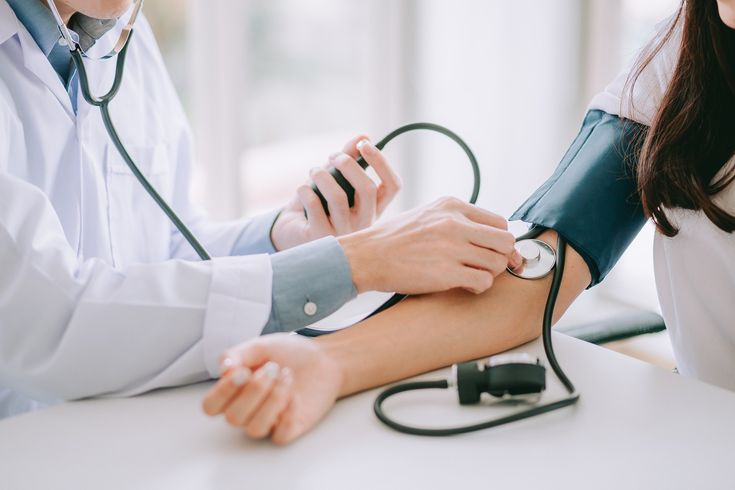
High BP symptoms and treatment are important to understand because high blood pressure is one of the most common yet silent health conditions affecting people today. It often develops slowly over time and may not show clear warning signs in the beginning.
When left untreated, high blood pressure can increase the risk of heart disease, stroke, kidney problems, and other serious complications. That is why early detection and proper management are very important.
Understanding the symptoms, causes, and treatment options can help you take timely action and protect your health.
Key Takeaways
- High bp symptoms and treatment are important to understand because high blood pressure often develops silently without obvious early warning signs.
- Common symptoms of high BP may include headache, dizziness, fatigue, chest discomfort, blurred vision, and shortness of breath, but regular monitoring is essential for accurate detection.
- The link between high bp and headache exists in some cases, especially when blood pressure becomes very high, but headaches alone are not enough to confirm hypertension.
- Early diagnosis and timely treatment are crucial to prevent serious complications like heart disease, stroke, and kidney damage.
- Learning how to lower blood pressure naturally includes lifestyle changes such as reducing salt intake, eating a balanced diet, exercising regularly, managing stress, and avoiding smoking and alcohol.
- Medical treatment may be required when lifestyle changes are not enough, and it should always be followed under a doctor’s guidance.
- Regular BP monitoring and routine health checkups help in early detection and better long-term control of hypertension.
- Consistent healthy habits play a key role in managing and preventing high blood pressure effectively.
Table of Contents
1. Common Signs of High Blood Pressure
High blood pressure is often called a “silent killer” because many people do not experience noticeable symptoms. However, some individuals may show warning signs such as:
- Frequent headaches
- Dizziness or light-headedness
- Chest discomfort
- Blurred vision
- Shortness of breath
- Fatigue or weakness
- Nosebleeds in severe cases
Even though these signs are not always present, regular BP monitoring is essential. Many people discover high BP only during routine health checkups.
Early identification of these symptoms allows better control and prevents complications.
2. High BP and Headache: What Is the Connection?
One of the most reported issues is high BP and headache. While not every headache is caused by high blood pressure, severe or recurring headaches can sometimes be linked to elevated BP levels.
When blood pressure increases, it puts extra pressure on blood vessels in the brain, which may lead to discomfort or pain. However, headaches alone cannot confirm high BP, so proper measurement is necessary.
If you frequently experience headaches along with dizziness or chest discomfort, it is important to get your blood pressure checked immediately.
3. How to Lower Blood Pressure Naturally?
If you are looking for ways on how to lower blood pressure, lifestyle changes play a major role. In many cases, mild to moderate high BP can be managed through natural methods.
Here are some effective ways:
- Reduce salt intake in daily meals
- Eat a balanced diet rich in fruits and vegetables
- Stay physically active with regular walking or exercise
- Maintain a healthy weight
- Drink enough water throughout the day
- Avoid smoking and limit alcohol consumption
- Manage stress through relaxation techniques
Even small daily improvements can help bring significant changes in blood pressure levels over time.
4. Medical Treatment for High Blood Pressure
In some cases, lifestyle changes alone may not be enough to control BP. Doctors may prescribe medications depending on your condition and overall health.
Medical treatment may include:
- Antihypertensive medications
- Regular blood pressure monitoring
- Periodic health checkups
- Treatment for underlying conditions like diabetes or cholesterol
It is very important to take medicines only as prescribed by a doctor and not stop them without medical advice.
5. Lifestyle Tips to Control High BP
Managing high BP requires consistent lifestyle habits. Along with diet and exercise, the following tips can help:
- Maintain a daily routine with proper sleep
- Avoid excessive stress and anxiety
- Limit processed and junk food
- Stay physically active for at least 30 minutes a day
- Practice deep breathing or yoga
- Monitor blood pressure regularly
Consistency is key when it comes to controlling blood pressure effectively.
6. When to Consult a Doctor?
You should consult a doctor if you experience:
- Frequent or severe headaches
- Persistent dizziness
- Chest pain or breathing difficulty
- Very high BP readings
- Family history of hypertension
- No improvement despite lifestyle changes
Regular medical checkups help in early diagnosis and prevent serious complications. Timely treatment is the best way to manage high BP safely.
You should consult a doctor if you experience:
- Frequent or severe headaches
- Persistent dizziness
- Chest pain or breathing difficulty
- Very high BP readings
- Family history of hypertension
- No improvement despite lifestyle changes
Regular medical checkups help in early diagnosis and prevent serious complications. Timely treatment is the best way to manage high BP safely.
7. Final Thought
Understanding high BP symptoms and treatment is essential for maintaining long-term health. Since high blood pressure often develops without clear symptoms, regular monitoring becomes very important.
By recognizing early warning signs, making healthy lifestyle changes, and following medical advice, you can effectively manage blood pressure and reduce health risks.
Awareness and timely action can make a big difference in preventing serious complications.
High blood pressure may not always show clear symptoms, but your body does give warning signs like headaches, dizziness, or fatigue. Understanding the connection between high BP and headache and knowing how to lower blood pressure through simple lifestyle changes can help you stay in control of your health.
Don’t ignore the signs; visit Medisure Health Clinictoday for a complete BP checkup and expert guidance on managing high blood pressure effectively
FAQs
(Frequently Asked Questions)
What are the common symptoms of high BP?
Common symptoms include headache, dizziness, chest discomfort, fatigue, and blurred vision.
Can high BP cause headaches?
Yes, in some cases, high BP and headache can be linked, especially when blood pressure is very high.
How can I lower blood pressure naturally?
You can lower BP by reducing salt intake, exercising regularly, managing stress, and eating a healthy diet.
Is high blood pressure dangerous?
Yes, if untreated, it can lead to heart disease, stroke, and kidney problems.
Can lifestyle changes control high BP?
Yes, many people can control BP through healthy lifestyle habits, especially in early stages.
When should I see a doctor for high BP?
If you have frequent symptoms or high BP readings, you should consult a doctor immediately.
Is medication necessary for high BP?
In some cases, yes. Doctors prescribe medication depending on severity and health condition.