
High blood pressure is a common health condition that can affect several vital organs when it remains uncontrolled over time. Also known as hypertension, it occurs when the force of blood pushing against the walls of the arteries stays consistently elevated. Although many people experience no noticeable symptoms, prolonged high blood pressure can damage blood vessels and increase the risk of serious health complications.
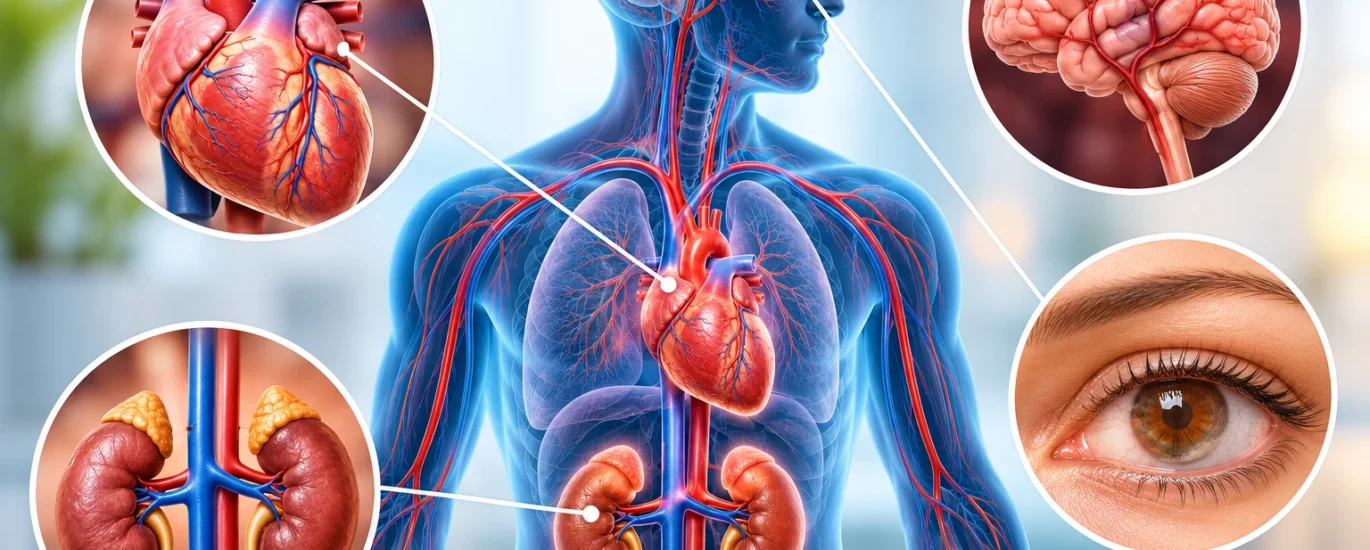
The organs most commonly affected by high blood pressure include the heart, brain, kidneys and eyes. It can also damage arteries throughout the body and contribute to other cardiovascular problems. Understanding how hypertension affects these organs, recognizing the importance of regular blood pressure monitoring, and adopting healthy lifestyle habits can help reduce the risk of complications.
This guide explains the major organs affected by high blood pressure, how the damage develops, and the practical steps that can help you manage your blood pressure responsibly.
Key Takeaways
- High blood pressure can damage the heart, brain, kidneys, eyes and blood vessels.
- Hypertension often develops without obvious symptoms, making regular blood pressure checks important.
- Uncontrolled blood pressure increases the risk of heart attack, stroke, heart failure and chronic kidney disease.
- A balanced diet, reduced salt intake, physical activity and avoiding tobacco can support blood pressure management.
- Some people require prescribed medication in addition to lifestyle changes.
- Very high blood pressure accompanied by concerning symptoms requires emergency medical attention.
Table of Contents
What Is High Blood Pressure?
Blood pressure measures the force exerted by circulating blood against artery walls. A blood pressure reading contains two numbers:
- Systolic pressure: The pressure when the heart contracts and pumps blood.
- Diastolic pressure: The pressure when the heart relaxes between beats.
According to the World Health Organization (WHO), hypertension in adults is diagnosed when blood pressure readings taken on two different days show systolic pressure of 140 mmHg or higher and/or diastolic pressure of 90 mmHg or higher. Individual clinical targets and diagnostic approaches may vary depending on a person’s circumstances and applicable guidelines.
When blood pressure remains elevated, the heart must work harder to circulate blood. Over time, this increased workload can damage arteries and affect the organs that depend on a healthy blood supply.
An important concern is that high blood pressure may not cause noticeable symptoms, even when it is increasing the risk of future complications. Regular monitoring and appropriate medical assessment are therefore essential.
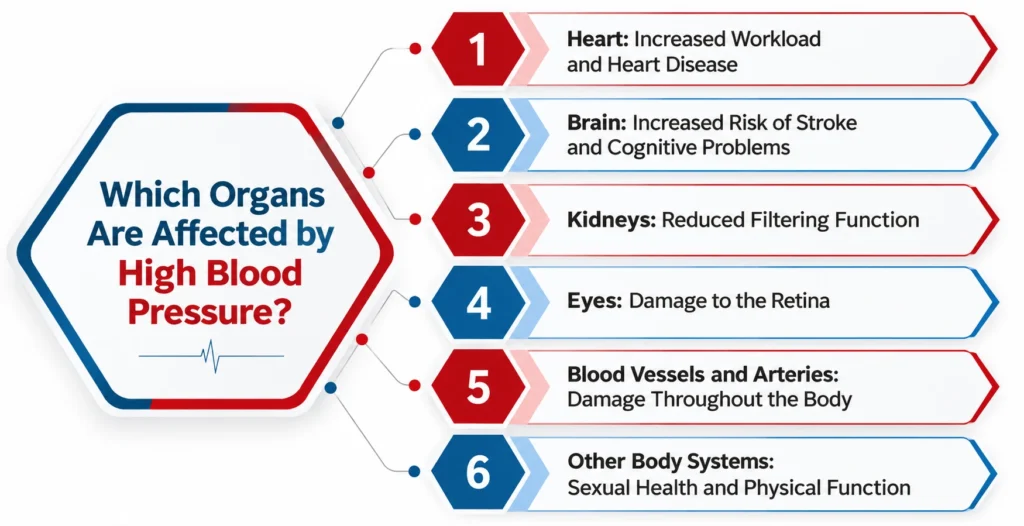
Which Organs Are Affected by High Blood Pressure?
The effects of high blood pressure extend beyond the heart. Persistent pressure can injure the blood vessels that supply oxygen and nutrients to different organs, affecting their ability to function normally.
1. Heart: Increased Workload and Heart Disease
The heart is one of the primary organs affected by high blood pressure. When blood pressure remains elevated, the heart has to pump against greater resistance.
Over time, this additional workload can cause the heart muscle to thicken and become less efficient. Uncontrolled hypertension can also contribute to coronary artery disease, heart failure and abnormal heart rhythms.
Possible complications include:
- Coronary artery disease: Narrowed arteries can reduce blood flow to the heart muscle.
- Heart attack: A blocked blood vessel can interrupt the heart’s oxygen supply and damage heart muscle.
- Heart failure: The heart may become too stiff or weak to pump blood effectively.
- Left ventricular hypertrophy: The main pumping chamber of the heart becomes thickened due to increased workload.
Managing blood pressure is an important part of protecting long-term cardiovascular health.
2. Brain: Increased Risk of Stroke and Cognitive Problems
The brain relies on a continuous supply of oxygen-rich blood. High blood pressure can damage the arteries supplying the brain, increasing the risk of both blocked and ruptured blood vessels.
Potential effects include:
- Ischaemic stroke: A blood clot or blockage prevents blood from reaching part of the brain.
- Haemorrhagic stroke: A weakened blood vessel ruptures and causes bleeding in the brain.
- Vascular cognitive impairment: Damage to blood vessels can affect memory, thinking and other cognitive functions over time.
Long-standing hypertension is also associated with an increased risk of vascular dementia. However, not everyone with high blood pressure develops these complications.
Controlling blood pressure, attending recommended health checks and managing other cardiovascular risk factors can help protect brain health.
3. Kidneys: Reduced Filtering Function
The kidneys filter waste products and excess fluid from the blood. They depend on a network of small blood vessels to perform this function.
High blood pressure can damage these vessels, making it harder for the kidneys to filter blood effectively. Kidney damage can also worsen hypertension because the kidneys help regulate fluid balance and blood pressure.
Possible complications include:
- Chronic kidney disease
- Protein leakage into the urine
- Reduced kidney filtering capacity
- Kidney failure in advanced cases
Kidney disease and hypertension can create a harmful cycle in which each condition makes the other more difficult to manage.
Healthcare professionals may recommend blood and urine tests to assess kidney function, particularly for people with long-standing hypertension, diabetes or other risk factors.
4. Eyes: Damage to the Retina
The retina is the light-sensitive tissue at the back of the eye. It contains small blood vessels that can be damaged by prolonged high blood pressure.
This condition is known as hypertensive retinopathy.
Possible effects include:
- Damage or narrowing of retinal blood vessels
- Bleeding or swelling within the retina
- Changes in vision
- Vision loss in severe cases
Eye damage may develop without obvious early symptoms. People with hypertension may need eye examinations depending on their blood pressure control, symptoms and overall health.
Sudden vision changes should be assessed urgently, especially when accompanied by other concerning symptoms.
5. Blood Vessels and Arteries: Damage Throughout the Body
Blood vessels connect the heart with every organ. Persistent high blood pressure places stress on artery walls, potentially causing damage and making arteries less flexible.
This can contribute to atherosclerosis, a process in which fatty deposits accumulate within artery walls.
Potential consequences include:
- Narrowed arteries and reduced circulation
- Increased risk of heart attack and stroke
- Peripheral artery disease, which affects blood flow to the limbs
- Increased risk of aneurysms, which involve abnormal enlargement of blood vessels
Healthy blood vessels are essential for delivering oxygen and nutrients throughout the body. Blood pressure management helps reduce the risk of complications affecting multiple organs.
6. Other Body Systems: Sexual Health and Physical Function
High blood pressure and associated vascular changes can also affect sexual health. In some men, reduced blood flow or related health factors may contribute to erectile dysfunction. Sexual difficulties can have several causes, so medical assessment is important.
Hypertension may also occur alongside diabetes, obesity and abnormal cholesterol levels. When these conditions coexist, the combined cardiovascular and metabolic risks can be greater.
Discussing new or persistent symptoms with a healthcare professional can help identify contributing factors and appropriate treatment options.
How Does Hypertension Damage the Body?
Hypertension causes harm mainly through prolonged pressure on blood vessels and the organs they supply.
The process may develop gradually:
- Increased pressure: Blood pushes against artery walls with excessive force over time.
- Blood vessel injury: Persistent stress can damage the inner lining of arteries.
- Artery changes: Blood vessels may become thicker, stiffer or narrower.
- Reduced blood flow: Some organs receive less oxygen-rich blood, while others experience damage to delicate vessels.
- Organ complications: The heart, brain, kidneys and eyes may gradually lose normal function.
The rate and extent of damage depend on factors such as how high the blood pressure is, how long it remains elevated, age, family history and other health conditions.
Early detection and consistent management can reduce the risk of many hypertension-related complications.
What Are the Symptoms of High Blood Pressure?
High blood pressure often causes no symptoms. A person may feel well even when their readings are elevated, which is why blood pressure cannot be assessed reliably by symptoms alone.
When blood pressure becomes severely elevated or causes complications, symptoms may include:
- Severe headache
- Chest pain
- Shortness of breath
- Blurred or altered vision
- Confusion
- Weakness or numbness
- Difficulty speaking
These symptoms can have several causes and should not automatically be attributed to hypertension. Some may indicate a medical emergency.
The most reliable way to identify high blood pressure is to measure it using an appropriate blood pressure monitor and seek professional assessment when readings are elevated.
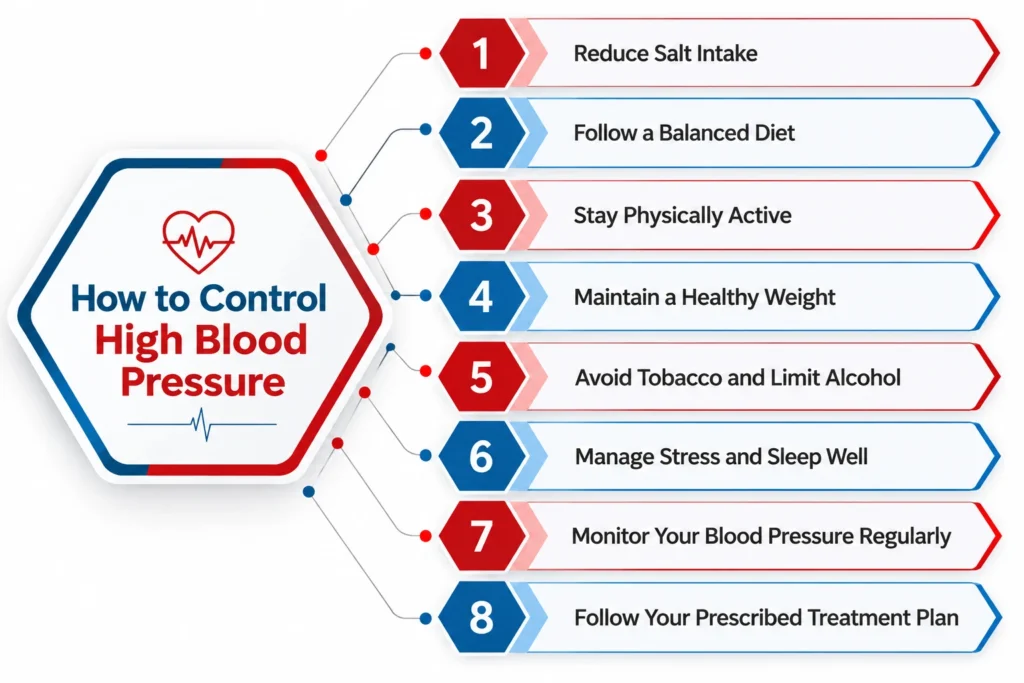
How to Control High Blood Pressure
Managing high blood pressure usually involves a combination of lifestyle changes, regular monitoring and, when needed, prescribed medication.
1. Reduce Salt Intake
Excess sodium can contribute to elevated blood pressure, particularly in people who are salt-sensitive.
Helpful habits include:
- Limiting added salt during cooking.
- Reducing packaged snacks, instant foods and highly processed meals.
- Checking food labels for sodium content.
- Choosing fresh ingredients and home-cooked meals more often.
Avoid making extreme dietary changes without professional guidance if you have a medical condition that affects your diet.
2. Follow a Balanced Diet
A balanced eating pattern can support cardiovascular health and blood pressure management.
Include a variety of vegetables, fruits, whole grains, pulses, beans, nuts and other nutritious foods. Choose suitable sources of protein and limit foods high in excess salt, saturated fat and added sugar.
A healthcare professional or dietitian can help adapt a heart-healthy eating plan to your individual needs and cultural food preferences.
3. Stay Physically Active
Regular physical activity can support healthy blood pressure, weight management and overall heart health.
Suitable activities may include walking, cycling, swimming or other moderate exercise, depending on your fitness level and medical condition.
For many adults, a general public health target is at least 150 minutes of moderate-intensity aerobic activity per week. Start gradually if you are inactive, and seek medical guidance before beginning strenuous exercise if you have uncontrolled hypertension or other health concerns.
4. Maintain a Healthy Weight
Excess body weight can increase the risk of hypertension. If weight management is appropriate for you, gradual and sustainable changes in eating habits and activity levels may help improve blood pressure.
Focus on consistent habits rather than restrictive diets or unverified weight-loss products.
5. Avoid Tobacco and Limit Alcohol
Tobacco use harms blood vessels and increases cardiovascular risk. Avoiding smoking and other tobacco products is an important step towards better heart health.
Alcohol can also contribute to elevated blood pressure, particularly when consumed excessively. Avoiding alcohol or reducing intake may be beneficial, depending on your circumstances.
6. Manage Stress and Sleep Well
Stress and poor sleep can influence blood pressure and make healthy routines harder to maintain.
Consider regular physical activity, relaxation exercises, a consistent sleep schedule and practical ways to manage daily stress.
Persistent sleep difficulties, including symptoms that may suggest sleep apnoea, should be discussed with a healthcare professional.
7. Monitor Your Blood Pressure Regularly
Regular monitoring helps you and your healthcare professional understand whether your management plan is working.
For more consistent home readings:
- Use a validated, appropriately sized upper-arm blood pressure monitor.
- Sit quietly for about five minutes before measuring.
- Keep your back supported and feet flat on the floor.
- Support your arm at heart level.
- Avoid talking during the measurement.
- Record readings as advised by your healthcare professional.
A single reading does not always establish a diagnosis. Repeated measurements and clinical assessment help determine what the readings mean for your health.
8. Follow Your Prescribed Treatment Plan
Some people can improve their blood pressure substantially through lifestyle changes, while others also need medication.
If medication has been prescribed, take it according to your healthcare professional’s instructions. Do not stop, change or adjust medication on your own, even if your readings improve.
Regular follow-up appointments allow your healthcare professional to review blood pressure readings, assess possible side effects and check for complications when appropriate.

When Should You Seek Medical Attention?
Arrange a medical consultation if your blood pressure readings are repeatedly elevated, if you have risk factors such as diabetes or kidney disease, or if you have concerns about possible hypertension-related complications.
Seek emergency medical care if you experience chest pain, severe breathing difficulty, sudden weakness or numbness, difficulty speaking, sudden vision changes or other severe, new neurological symptoms.
If your blood pressure reading is above 180/120 mmHg, wait at least one minute and measure it again if you can do so safely. If it remains that high, seek urgent medical advice. If it is accompanied by concerning symptoms such as chest pain, shortness of breath, weakness or changes in vision or speech, call your local emergency number immediately.
Do not delay emergency care while trying home remedies or attempting to lower the reading yourself.
Conclusion
High blood pressure can affect several vital organs, including the heart, brain, kidneys, eyes and blood vessels. Although hypertension may not produce obvious symptoms, uncontrolled blood pressure can increase the risk of heart disease, stroke, kidney damage and vision problems.
The most effective approach to reducing these risks involves regular blood pressure checks, a balanced diet, reduced salt intake, appropriate physical activity, avoiding tobacco and following a healthcare professional’s treatment plan.
Understanding the effects of high blood pressure is an important step towards protecting long-term health. If you are concerned about your readings or have risk factors for hypertension, consult a qualified healthcare professional for an appropriate assessment and personalized guidance.
For general health information and clinic details, visit Medisure Health Clinics.
FAQs
(Frequently Asked Questions)
1. Which organs are most affected by high blood pressure?
The heart, brain, kidneys and eyes are among the organs most affected by high blood pressure. Persistent hypertension can also damage arteries throughout the body, increasing the risk of cardiovascular and other complications.
2. Can high blood pressure damage organs without symptoms?
Yes. Hypertension can damage blood vessels and organs gradually without producing noticeable symptoms. Regular blood pressure checks and appropriate medical follow-up are important for early detection and management.
3. How does high blood pressure affect the heart?
High blood pressure increases the heart’s workload. Over time, it can cause the heart muscle to thicken and increase the risk of coronary artery disease, heart attack, heart failure and abnormal heart rhythms.
4. Can hypertension cause kidney disease?
Yes. High blood pressure can damage the small blood vessels in the kidneys, reducing their ability to filter waste and excess fluid. Kidney disease can also make blood pressure more difficult to control.
5. Can high blood pressure cause a stroke?
Yes. Hypertension can damage blood vessels in the brain and increase the risk of a blocked or ruptured blood vessel, both of which can cause a stroke.
6. Does high blood pressure affect eyesight?
Yes. Prolonged hypertension can damage the small blood vessels in the retina, a condition called hypertensive retinopathy. Severe damage may affect vision.
7. How can I control high blood pressure naturally?
Healthy habits such as reducing salt intake, eating a balanced diet, exercising regularly, maintaining a suitable weight, avoiding tobacco and managing stress can help. Some people also need prescribed medication, so medical guidance remains important.
8. How often should I check my blood pressure?
The recommended frequency depends on your readings, medical history and treatment plan. Your healthcare professional can advise whether you need daily home measurements, periodic checks or more frequent monitoring.
9. When is high blood pressure an emergency?
A reading above 180/120 mmHg requires prompt reassessment and urgent medical guidance if it remains elevated. When accompanied by chest pain, shortness of breath, weakness, difficulty speaking or sudden vision changes, it may indicate a medical emergency requiring immediate help.
10. Can high blood pressure be controlled permanently?
Blood pressure can often be managed effectively, but the long-term approach varies between individuals. Many people need ongoing lifestyle changes, monitoring and sometimes medication. Never discontinue prescribed treatment without medical advice.
Medical content note: This article is intended for general health education and is not a substitute for individual medical advice, diagnosis or treatment. It should be reviewed and approved by a qualified medical professional before publication.